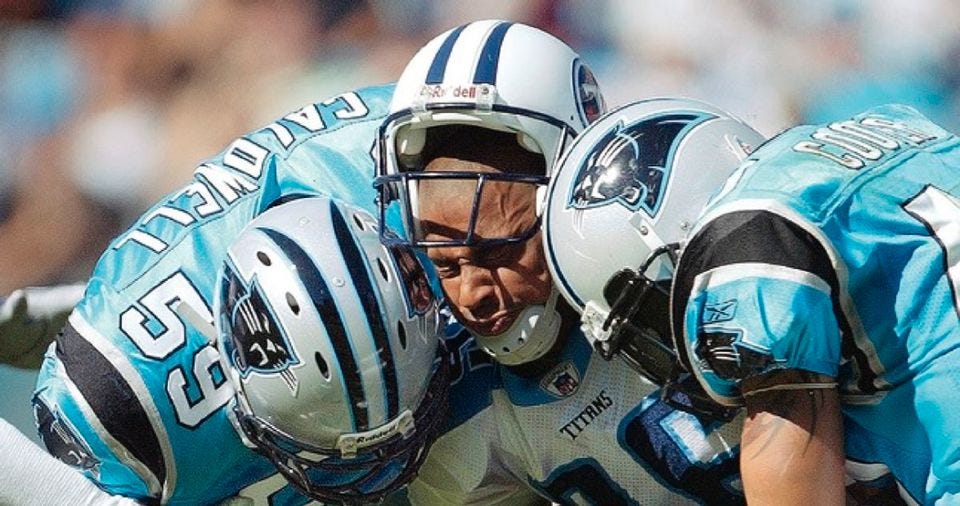
Concussions

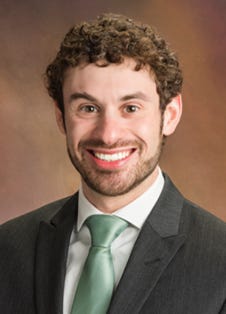
Stay a-HEAD of the game — Listen to EXPERTS Dr. Dan Corwin [PEM] and Dr. Christina Master [Sports Medicine] discuss CONCUSSIONS on the latest CHOP PEM Podcast episode AVAILABLE NOW

CLINICAL PEARLS
Minds Matter Concussion Program - learn more about CHOP’S specialized program including cutting-edge diagnostics and therapies
The VISIO-VESTIBULAR exam in concussion management - has both diagnostic and prognostic utility!
EVIDENCE-BASED Literature
Exercise the MIND after concussions for speedier recovery from concussion - read two recent studies why HERE-1 and HERE-2
Are the EYES a window to the brain in diagnosing concussions? Read the latest study regarding pupillary light reflex assessments
Verbalizing expectations after a concussion: BE POSITIVE! Beware of the NOCEBO EFFECT!
BOARD REVIEW Qs
1. Which of the following is true regarding visio-vestibular testing from the emergency department?
a. The examination should only be performed by sports medicine doctors
b. The examination does not provide any diagnostic information
c. The examination takes at least 10 minutes to perform
d. Children with visio-vestibular deficits tend to recover faster than those without such deficits
e. Visio-vestibular deficits can help guide anticipatory guidance
Choice (e) is the correct answer. As it is a functional examination, deficits on the visio-vestibular examination can give insight for the emergency provider into how children will perform with the eye tracking demands required in the school setting. Choice (a) is incorrect, as research has shown the exam can be performed reliably in the emergency department. Choice (b) is incorrect, as the majority of concussed youth will have abnormalities on the exam, and it can be particularly useful in diagnosing children who have subtle initial symptoms. Choice (c) is incorrect, as the exam generally takes 3-5 minutes to perform. Choice (d) is incorrect, as children with visio-vestibular deficits have prolonged recovery times compared with those who do not, with effect sizes exceeding symptom scores.
2. Which rest/return to activity recommendation is most appropriate for acute pediatric concussion?
a. Complete rest until evaluation by a primary care provider
b. Brief rest, followed by graduated return to activity, including early recommendations of light activity
c. Immediate return to school, but no physical activity until seen by a primary care provider
d. Immediate return to physical activity, but no school until seen by a primary care provider
e. Complete result until all symptoms resolve
Choice (b) is the correct answer. While the optimal duration of rest will be different for each patient, evidence supports a brief period of rest (no more than 24-48 hours of complete rest), followed by graduated re-introduction of both cognitive and physical activity. Recent evidence has shown the benefit of early, symptom-limited aerobic activity in minimizing prolonged symptoms of concussion; this can be discussed at the initial emergency department visit. While the primary care provider plays a critical role in return-to-activity guidance, initial instructions should be provided from the acute setting to avoid prolonged rest, which multiple studies have shown is detrimental to the recovering brain. Concussed youth can begin both cognitive activity (including returning to some school activity) and physical activity (though not full clearance for contact sports) before the first follow-up visit. No longer is complete rest until complete symptom resolution recommended.